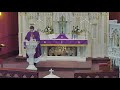
The liturgy opens with confession, absolution, and Scripture readings that frame Lent as a season of pilgrimage through a hostile wilderness toward the promised land. Exodus 16 recounts Israel’s complaints, God’s provision of manna, and Moses’ charge to gather only what each needs; that episode becomes a mirror for human frailty and dependence. Paul’s argument in Galatians contrasts bondage and freedom, connecting the wilderness experience to the distinction between law-born fear and promise-born liberty. The Gospel recounting of the feeding of the 5,000 places Christ at the center of that wilderness provision—he not only multiplies loaves and fish but intentionally leads and shares the journey with the hungry multitude.
The homiletical exposition reframes Lenten emphasis from mere justification to sanctification by highlighting spiritual warfare, the testing power of suffering, and the way God uses trials to prove and strengthen faith. The wilderness serves as both condition and pedagogy: barren, dangerous, and formative. Christ enters that wilderness in the fullness of human suffering, not to eliminate pain but to accompany it, giving suffering meaning and direction toward an eternal promise. Earthly sustenance—daily bread, clothing, family, and shelter—reflects God’s care; yet the feeding narratives point beyond bodily provision to the sacramental gift of Christ’s body and blood. The feeding of the 5,000 foreshadows the Lord’s Supper, where the broken flesh and shed blood become the true bread from heaven that sustains soul and guarantees participation in the life to come.
Hope emerges as the sermon’s hinge: present affliction, though real and often fierce, does not have the last word. Suffering refines longing and enlarges capacity for the eternal joy awaiting those led by Christ. The congregation receives an invitation to live as pilgrims sustained by both God’s ordinary gifts and the extraordinary gift of the Eucharist, confident that daily provision and sacramental feeding both point toward the everlasting feast in the new heavens and new earth. The service closes with intercessions that weave the local and global needs into this theology of wilderness sustenance and with a blessing that sends the people back into the world, nourished for the journey.
Key Takeaways
- 1. The wilderness shapes faithful perseverance Suffering tests affections and exposes dependence; it disciplines desire so that longing reorders toward God’s promise. Endurance in the wilderness is not passive stoicism but active trust that God uses scarcity to teach reliance on his provision. The landscape of trial becomes a classroom where promise is learned rather than merely proclaimed. [31:08]
- 2. Christ accompanies, not abandons, suffering Presence transforms meaning: Christ’s solidarity with human hunger reframes pain as purposeful pilgrimage rather than purposeless loss. His companionship removes exile’s ultimate power by anchoring sorrow to a redeeming trajectory. Suffering retains its sting but becomes medicine that heals identity—child of God rather than merely victim. [33:44]
- 3. Manna anticipates sacramental feeding The heavenly bread in Exodus and the loaves in John point beyond physical sustenance to the Eucharist’s exchange of life. The Lord gives his flesh and blood so that bodily hunger and spiritual death meet a decisive cure. Receiving the sacrament means participating in the reality the signs signify: life that outlasts the wilderness. [38:18]
- 4. Present affliction produces eternal weight Temporal trials have a forward-facing logic: they intensify longing and cultivate capacities for future joy. Light affliction works toward an incomparable, eternal glory that transfigures memory and suffering alike. Suffering’s quantity does not equal loss but becomes currency for an immeasurable inheritance. [35:11]
Youtube Chapters
- [00:00] - Welcome
- [04:48] - Confession and Penitential Prayer
- [06:14] - Absolution and Collect
- [09:50] - Exodus: Israel Complains
- [12:25] - Manna: Gather According to Need
- [14:17] - Epistle: Two Covenants Contrasted
- [16:25] - Gospel: Feeding of the 5,000
- [18:45] - The Creed
- [20:12] - Catechism and Lord’s Prayer
- [27:10] - Lenten Theme: Sanctification Focus
- [31:27] - Wilderness as Spiritual Formation
- [36:11] - Bread from Heaven and Daily Provision
- [38:18] - Eucharistic Meaning in the Feeding
- [41:19] - Prayers for Church and World
- [44:31] - Communion Blessing and Dismissal