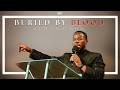
Genesis 37 provides the backbone of a reflection on family wounds, generational dysfunction, and the path to healing. Joseph’s brothers strip him of his robe, throw him into an empty pit, and sell him into slavery—actions that expose how family can bury a person “by blood.” Home sets the foundation for life, and when that foundation includes neglect, abuse, favoritism, or parentification, those early chapters shape fears, doubts, and relational patterns that follow into adulthood. The narrative traces favoritism through the generations—Jacob’s partiality to Joseph echoes Isaac and Rebekah’s choices and reaches back into the story of Abraham, Sarah, and Hagar—showing that dysfunction often travels along family lines.
The sermon maps Joseph’s physical journey to illustrate spiritual and emotional trajectory: destined to rise but plunged sharply because of familial betrayal, Joseph ends up far from his starting place, carrying wounds that linger for decades. Success and status in Egypt do not erase the scars; promotion cannot substitute for honest lament. Concealed and denied wounds continue to run the life from the inside, shaping responses, hardening hearts, and producing harshness even in positions of power.
Therapeutic and theological advice converge: acknowledging pain, feeling the emotions tied to that pain, and naming the wounds before God and community unlocks the possibility of healing. Joseph’s behavior shifts when he finally drops pretense—he weeps openly, reveals his identity, and allows the memory to surface rather than suppress it. The work of healing does not seek to erase memory but to transform its hold so that past injuries no longer dictate future generations. The blood of Jesus stands as the means offered to interrupt generational cycles and to reorient a family trajectory toward restoration.
Belonging to Christian community figures as a practical step in this journey. The narrative closes by urging honest surrender, communal support, and sacramental participation as ways to enter into the healing work that God promises. The text insists: trauma demands attention, not achievement; honesty, tears, and faith invite God’s transformative presence into the deepest pits of the soul.
Key Takeaways
- 1. Family wounds shape trajectories Family relationships set the direction of life more than individual talent does. Early neglect, favoritism, or abuse rewires expectations about safety, value, and belonging, and those patterns often guide choices and opportunities. Recognizing the formative power of family helps locate where change must begin and why spiritual and relational repair matters for future freedom. [28:25]
- 2. Generational cycles travel down lines Harm rarely originates with a single generation; behaviors, beliefs, and dysfunction pass from parent to child until someone intentionally interrupts the chain. Tracing the roots—Jacob to Isaac to Abraham—shows that addressing surface symptoms without confronting lineage only perpetuates the same outcomes. Breaking cycles requires spiritual claims (the blood of Jesus), practical repentance, and sustained work across relationships. [24:14]
- 3. Concealed wounds drive behavior Unacknowledged pain runs the agenda of a life even when outward success suggests otherwise. Hiding hurt produces defensive hardness, harshness toward others, and attempts to achieve as a substitute for healing; promotion cannot neutralize trauma. Bringing wounds into the light removes their steering wheel and allows deliberate choice instead of reactive survival. [38:12]
- 4. Healing requires honest vulnerability True restoration begins with honest naming, feeling, and sharing of pain before God and trusted community—not with erasing memories or masking through achievement. Vulnerability opens space for grief, confession, and the presence of God to enter and transform what memory once weaponized. The path forward moves from concealment to confession, and from confession to steady, communal repair. [43:13]
Youtube Chapters
- [00:00] - Welcome
- [00:22] - Scripture: Genesis 37:18–24
- [01:37] - Theme Introduced: “Buried by Blood”
- [02:11] - Home: Where Story Begins
- [06:13] - Generational Harm Illustrated
- [09:10] - Joseph Betrayed by Brothers
- [16:44] - Favoritism’s Roots in Genesis
- [24:14] - Breaking Generational Cycles
- [28:25] - Family Shapes Life Trajectory
- [32:13] - Success Cannot Cure Trauma
- [39:16] - Concealed Wounds Control Life
- [43:13] - Acknowledge, Feel, and Release
- [56:51] - God’s Restoration and Invitation
- [1:18:20] - Transition to Communion