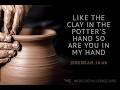
God fashions people like clay on a potter’s wheel: flawed, fragile, but formed with purpose. Scripture from Jeremiah 18 portrays Israel as clay in the potter’s hand, reminding that God reshapes what breaks. Psalm 51 calls the broken and contrite spirit a true sacrifice, and 2 Corinthians declares the treasure of Christ sits inside earthen vessels so God’s power gets the glory. Brokenness does not cancel value; it exposes dependence and opens channels for divine power.
Brokenness proves useful because modern culture discards what fails, but God refashions what people consider ruined. The alabaster jar required breaking before perfume could pour out; the jar’s ruin let fragrance reach others. A seemingly perfect vessel might hold beauty within, but only a cracked vessel lets light or scent escape. Vulnerability before God arms the heart for transformation; honest lament and confession invite reshaping.
God wants light to shine outward, not merely to warm an interior. When Christ’s Spirit fills a broken life, that light becomes visible to neighbors, coworkers, and friends. Good works and humble suffering point observers away from human accomplishment and toward God’s glory. Surrender to the Potter produces freedom: relinquishing control does not make a person a puppet but a partner who walks in purpose, participates in miracles, and feeds at God’s table.
Personal distress often drives this reshaping. Experiences of grief, family sickness, and unanswered questions can deepen trust and teach dependence faster than comfort does. Brokenness refocuses ambition toward the chief aim of life—glorifying Christ—and releases capacity for spiritual fruit. Rather than seeking perfection to impress, embracing broken usefulness invites God’s power to work through weakness and turns suffering into a vehicle for praise and witness. The call remains clear: choose to be a cracked vessel so Christ’s light and fragrance can reach the world.
Key Takeaways
- 1. Broken vessels remain useful The potter reshapes clay that spoils; failure does not equal finality. God reworks what society discards, turning shattered pieces into functional vessels for grace. Accepting brokenness opens the way for transformation and purpose. [16:42]
- 2. Vulnerability releases Christ’s light A cracked container lets light and scent escape; perfection traps blessing inside. Honest prayer and confession create openings where the Spirit can act visibly through daily life. Vulnerability becomes the medium through which others encounter Christ. [23:56]
- 3. Brokenness redirects glory to God When weaknesses expose inability, power shifts from human effort to divine action. Suffering and dependence magnify God’s work rather than human achievement, inviting worship to the Maker. Broken lives make God unmistakably glorious. [30:38]
- 4. Surrender frees the soul Yielding to the Potter removes illusion of control and grants true freedom. Voluntary surrender enables partnership with God, access to kingdom work, and steady trust amid trials. Freedom arises when purpose replaces self-sovereignty. [32:04]
Youtube Chapters
- [00:00] - Welcome
- [00:11] - Opening worship and praise
- [01:40] - Gethsemane and watching with Jesus
- [03:56] - Direct access by Christ’s blood
- [07:32] - Scripture: Potter and clay (Jeremiah)
- [16:42] - Three lessons introduced
- [17:03] - Broken vessel is useful
- [19:28] - Alabaster jar: perfume released
- [23:56] - Brokenness lets light shine
- [29:54] - Personal testimony of suffering
- [35:10] - Prefer broken but useful
- [37:59] - Invitation to receive Christ
- [49:21] - Song and youth encouragement
- [51:28] - Missionary announcement
- [56:24] - Closing prayer and blessing