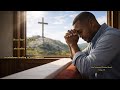
Drawing from Romans 6, the preacher drives home a clear, urgent call to leave sin’s kingdom and live as servants of righteousness. The text exposes how sin shapes choices, habits, and whole life directions—what feels like freedom often proves to be bondage. Conversion is presented not as a one-off emotion but as a decisive, ongoing choice: when Christ frees someone from sin, that person is now bound to a new master—righteousness—and must order life accordingly. Practical examples and testimonies underline that many who claim to be “in control” are actually captive to appetites, tempers, and patterns that control their days.
Repentance and heartfelt obedience are offered as the necessary response to God’s grace. Obedience is not legalism; it is the grateful outworking of a reconciled heart that refuses to slide back into old patterns. Falling is acknowledged as part of the journey, but the posture demanded is immediate repentance and getting back up, not resignation. The preacher emphasizes that serving God requires willful surrender—daily dying to the old self, learning to obey when it is inconvenient, and trusting God’s providence rather than one’s feelings.
The message balances urgency with hope: God can and does transform lives, rescuing people from addiction, anger, and chaos. Stories of deliverance demonstrate that no life is beyond God’s reach when a person truly yields. The congregation is exhorted to practical faith—showing up in worship even when it’s hard, choosing obedience over convenience, and allowing God to do the slow, surgical work of reshaping motives and actions. The altar call frames three responses: a first-time surrender, a recommitment after wandering, or an appeal for strength in a current crisis. Above all, the charge is to live as lifelong servants of righteousness—steadfast, obedient, grateful, and confident that God’s grace is sufficient for both falling and rising again.
Key Takeaways
- 1. Sin enslaves choices and directions Sin is not merely a collection of bad acts but a power that reorders priorities and futures. When a habit becomes the axis of daily planning—money set aside for drunkenness, routines built around secrecy—freedom has been exchanged for captivity. Recognizing that lack of control is the first step toward surrender and true restoration. [28:39]
- 2. Obedience flows from heartfelt surrender External compliance without inward transformation produces performance, not holiness; true obedience begins when one yields from the heart. This kind of surrender makes righteous choices feel like the only sane response to grace, because gratitude reshapes motivation. The work required is honest, repeated submission, not a one-time pledge. [37:16]
- 3. Freedom means becoming righteous servants Being freed from sin does not restore autonomous independence but redirects service to a new Master. That freedom carries obligation: to act, speak, and choose in ways that reflect righteousness rather than self. The paradox is real—true liberty is found in willing submission to God’s will. [27:38]
- 4. Perseverance: obedience for a lifetime Commitment to Jesus is not a crisis-only contract but a lifelong allegiance that endures good times and trials. Faithfulness looks like getting up after failure, trusting God through inconvenience, and letting transformation be gradual and persistent. The Christian life requires choosing God’s path even when feelings and convenience pull elsewhere. [48:15]
Youtube Chapters
- [00:00] - Welcome
- [07:59] - Opening Praise & Worship
- [25:40] - Reading: Romans Chapter 6
- [26:36] - Grace vs. Law: The Key Question
- [28:12] - Recognizing Sin’s Control
- [32:22] - How Sin Shapes Direction
- [36:52] - Testimonies of Deliverance
- [43:06] - Living in Gratitude and Response
- [48:15] - Serve for a Lifetime
- [59:00] - Altar Call: Surrender & Recommit
- [1:16:27] - Offering, Fellowship, Announcements