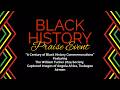
Gratitude opens the gathering with a reminder that every new morning comes by grace and mercy, not by human merit. A litany of memory and honor follows: lifelong membership, centenarian milestones, and commemorations that root present joy in hard-won survival. First Baptist Church East End traces its origin to 1896, when worship began under a tree and grew through wooden and brick structures, surviving segregation, legalized oppression, and a devastating 1961 fire before rising into a modern multimillion-dollar building. The congregation’s history highlights tenacious leadership across generations, including long pastoral tenures and deep family ties that kept community life intact through social upheaval.
Music and song appear as cultural anchors: spirituals and quartet selections served as lifelines through slavery and Jim Crow, carrying memory, resistance, and hope across decades. Historical education gains attention through ASALH’s mission to preserve accurate narratives and through tributes to Carter G. Woodson, whose work moved Negro History Week into Black History Month. Genealogy and transatlantic ties surface in personal testimonies: descendants tracing lineage back to Angolan arrivals in 1619, scholars traveling to Angola, and photographs that reconnect present families to ancestral places.
Profiles of notable figures expand the commemorative frame. Stories of Sarah Rector’s contested inheritance, Tuskegee Airmen’s bravery and discrimination, and local leaders’ civic service illustrate how systemic injustice met creative resilience. A poem for the ancestors stitches names back into history, mourning stolen identities while celebrating sustaining love and endurance. Youth participation and educational vignettes emphasize transmission: children learn rap about Carter G. Woodson, students present on military history, and younger generations perform music that affirms continuity.
Community memory gains urgency as stewardship: accurate storytelling becomes an ethical task to prevent erasure, reduce violence born of ignorance, and cultivate rooted identity. The program weaves praise, pedagogy, and performance—invocation, litany, soloists, family histories, panel discussions, and choir—into a single testament that survival itself testifies to divine presence and collective resolve. The closing moves toward fellowship and continued remembrance, urging sustained support for youth and ongoing efforts to tell the full story.
Key Takeaways
- 1. sufficiency and redirects priorities from achievement to stewardship. Such acknowledgment grounds decisions in humility and shapes every agenda as a response to gift rather than entitlement. [00:20]
First Baptist began under a tree
Origins under a tree dramatize faith formed in precarious freedom and public exclusion. Building from that fragile start into a brick church and later a modern facility shows how spiritual community converts scarcity into institution. This trajectory insists that sacred work often starts outside recognized power and grows through patient, collective labor.
Music sustains communal endurance
Song acts as lived theology, encoding grief, resistance, and hope into memory-bearing rhythms. Spirituals and quartet hymns function as a communal breath that preserves identity when legal or cultural systems seek erasure. Listening to this musical inheritance trains bodies to remember and tongues to testify across generations.
Ancestral memory demands active telling
Historical truth requires intentional recovery and public proclamation to prevent distortion or silence. Organizations, commemorations, and classroom work together to piece separated narratives back into communal history. This stewardship reframes memory as moral responsibility: naming ancestors restores moral continuity and redirects present ethics.
Genealogy reconnects America to Angola
Tracing lineages to 1619 and to Angola reframes American beginnings as transatlantic and relational, not merely national myth. Travel, research, and oral history convert abstract dates into embodied kinship and reveal how identity crosses oceans and centuries. This reclamation compels a different kind of citizenship—one accountable to diasporic ties and reparative memory. [00:20]
Youtube Chapters
- [00:00] - Welcome
- [00:20] - Morning gratitude and opening
- [00:45] - Master of ceremonies introduction
- [01:13] - Invocation and litany setup
- [03:26] - Emma Flood: biography and litany
- [13:36] - Celebrating Black history daily
- [17:39] - Quartet musical selection
- [22:11] - Music’s role in endurance
- [22:57] - Founding: 1896 under a tree
- [26:18] - 1961 fire and recovery
- [36:37] - ASALH and Woodson’s legacy
- [46:10] - Wanda Tucker: Angola genealogy
- [48:18] - Barbara Gibson: photography work
- [69:29] - Poem for the ancestors
- [86:45] - Tuskegee Airmen segment