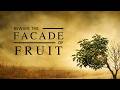
Jesus approached the fig tree expecting fruit. He saw leaves from a distance—a promise of nourishment. But up close, He found only empty branches. The tree’s leaves lied: its growth prioritized appearance over substance. Like Adam and Eve’s fig-leaf coverings, it offered false security. [15:01]
This moment reveals God’s hatred of hypocrisy. The fig tree’s design required fruit before leaves—inner transformation preceding outward signs. Jesus cursed the tree not from hunger, but to expose hollow religion. He demands authenticity, not empty rituals.
Many of us hide behind spiritual busyness while our hearts grow barren. What good are Bible studies, tithes, or service if love withers? Where have you prioritized visible “leaves” over secret fruit?
“And seeing in the distance a fig tree in leaf, he went to see if he could find anything on it. When he came to it, he found nothing but leaves, for it was not the season for figs. And he said to it, ‘May no one ever eat fruit from you again.’”
(Mark 11:13-14, ESV)
Prayer: Ask Jesus to reveal areas where you’ve substituted appearances for true spiritual growth.
Challenge: Write down three “leaves” (external religious acts) you’ve relied on instead of cultivating inner fruit.
Peter pointed at the cursed fig tree the next morning—its roots shriveled, branches brittle. Jesus redirected his focus: “Have faith in God.” The withered tree became a lesson about words rooted in prayer. Dead religion cannot withstand Christ’s truth. [40:45]
The tree’s death exposed Adam’s failure. Just as fig leaves couldn’t cover sin’s shame, empty religion can’t save. But where the first Adam hid, the Second Adam (Christ) intercedes. His words carry creative power to remove mountains of doubt.
What dead routines have you mistaken for life? Jesus prioritizes radical faith over rote obedience. How might speaking His promises aloud today dismantle barriers to your fruitfulness?
“And Peter remembered and said to him, ‘Rabbi, look! The fig tree that you cursed has withered.’ And Jesus answered them, ‘Have faith in God.’”
(Mark 11:21-22, ESV)
Prayer: Confess one area of unbelief that has hindered your spiritual fruit.
Challenge: Speak Jesus’ words from Mark 11:23-24 over a specific obstacle aloud three times today.
The vineyard owner demanded a fruitless fig tree’s destruction. But the gardener pleaded, “Give it one more year.” He dug around its roots, applying fresh nourishment. This gardener is Christ—our advocate who works the soil of stubborn hearts. [30:04]
Three years of barrenness mirror Israel’s rejection of Messiah. Yet Jesus intervenes, turning God’s justice into mercy. His death bought extra seasons for fruitless souls. The Father waits, shovel in hand, hoping repentance will take root.
Are you living on borrowed time? Christ’s mercy delays judgment, but winter is coming. What hard ground in your heart needs His compassionate digging today?
“And he answered him, ‘Sir, let it alone this year also, until I dig around it and put on manure. Then if it should bear fruit next year, well and good; but if not, you can cut it down.’”
(Luke 13:8-9, ESV)
Prayer: Thank Jesus for His intercession that gives you another chance to bear fruit.
Challenge: Identify one “manure” (spiritual discipline) to apply to a stagnant area this week.
Fig trees require fig wasps for pollination. The wasps lay eggs in male figs; their young carry pollen to female trees. Neither can reproduce alone. Like this symbiosis, the Church thrives through interdependent gifts. [25:20]
Jesus designed His body to need kneecaps and eardrums, teachers and intercessors. The early figs (leaders) and summer figs (new believers) feed different hungers. Isolation withers; community cultivates.
Who have you dismissed as unnecessary to your growth? The quiet prayer warrior matters as much as the bold evangelist. When will you reach out to someone whose spiritual role differs from yours?
“Behold, how good and pleasant it is when brothers dwell in unity!”
(Psalm 133:1, ESV)
Prayer: Ask God to show you one person in the Body you’ve undervalued.
Challenge: Message or call that person today to affirm their role in Christ’s garden.
Summer figs are small but potent—their concentrated sweetness signals harvest time. Jesus said fig leaves sprouting mean summer is near. His people must recognize seasons: our fruit should alert others to eternity’s approach. [23:52]
Early figs (religious showiness) disappoint; summer figs (Spirit-led obedience) sustain. The cursed tree warned of Jerusalem’s fall; our faithfulness can warn of Christ’s return. Authentic fruit feeds hungry souls seeking truth.
Does your life taste of heaven’s sweetness? Or have you settled for watery religion? What specific “flavor” of Christ’s character can you manifest today?
“From the fig tree learn its lesson: as soon as its branch becomes tender and puts out its leaves, you know that summer is near.”
(Matthew 24:32, ESV)
Prayer: Beg the Spirit to make you aware of divine appointments today.
Challenge: Share one example of God’s faithfulness this week with a coworker or neighbor.
Mark sets Jesus on the road out of Bethany, hungry, spotting a fig tree “from a distance” dressed in leaves. The tree promises fruit by its foliage, but it offers nothing, so Jesus curses it and the disciples hear it. The fig tree stands as an image of appearance without reality, leaves that “lie.” Genesis has already tied the fig’s leaves to covering shame; now the same species that hid Adam and Eve’s nakedness cannot feed its Creator. The text exposes false signals and asks the heart-level question: when God draws near hungry, what does He actually find?
The fig’s strange biology pushes the point deeper. The fig is a syconium; its flowers and seed mature inward, so growth moves from the inside out. In figs, fruit forms first, then leaves. So leaves without fruit are a mismatch of order, a visible show detached from inner life. Matthew’s fig tree lesson adds discernment of the times: when the branch is tender and leaves sprout, summer is near. Seasons matter. Early figs grow on old wood in spring, looking large but tasting watery and carrying fewer seeds. Summer figs are smaller, sweet, rich, and easily recognized, loaded with seed for reproduction. The church can look like the early fig, hanging big on last year’s branches, but bland and sterile in the present. The call is to be a “summer fig,” a present-tense people whose sweetness and richness can be recognized and multiplied.
The fig’s obligate mutuality with the fig-wasp pictures the church’s life together. The tree needs the wasp; the wasp needs the tree. Psalm 133 names the beauty of brothers dwelling together in harmony. Sheep breed sheep, not the shepherd; figs produce figs. If nothing is being produced, Luke’s parable steps in: three fruitless years, an owner ready to cut the tree, and a vinedresser pleading for time to dig and fertilize. Christ stands as the intercessor, the Father as the owner. Romans 5:8 shows that intercession as mercy toward sinners. John 15 clarifies the vineyard roles: the Son is the true vine, the Father the vinedresser, pruning fruitful branches for more and removing the unfruitful. Unused soil is being wasted; mercy grants time, not license.
Back in Mark, the disciples later see the fig “withered from the roots.” Jesus turns barrenness into a classroom and teaches mountain-moving prayer. The word spoken in faith is not showy magic; it is alignment with the Father’s will for fruit that multiplies. Prayer should not chase what cannot produce fruit. It should seek grace to give to others and to become the fruit the hungry Lord is seeking. Summer is coming, and the Son is coming. The fig tree that is genuine and full of fruit is ready for both.
The saint three that covered the nakedness of Adam and eve in the garden as the fell. Ese mismo tipo de árbol que cubrió la desnudez de Adán y Eva después de la caída, could not give fruit to with creator, no le pudo haber dado, no le pudo dar fruto a su creador. So, it was cursed, so, entonces, fue maldijo, an it was withhered y murió. Is being you and this is being used to show the disciples, at there's power and prayer. Y esto se está utilizando para mostrarle a los discípulos que hay poder en la oración.
[00:41:30]
(39 seconds)
And I hold that we that you're picking up on this because we are this fixtree, nosotros somos este árbol de higo. A some times that we have fruit being produced, the tanging on a past season, porque nosotros muchas veces podemos ser ese árbol que está rindiendo fruto, pero estás, lo estás rindiendo de una temporada previa. And when this count of fruit, cuando esta fruta, growse am branches of the past, it can not survive the season that is the come. Cuando esta fruta está creciendo en en ramas viejas, en ramas del pasado, no va a poder sobrevivir en la temporada de que viene.
[00:21:46]
(44 seconds)
And how many times and we my have done that to god. ¿Cuántas veces nosotros mismos, tal vez, hemos hecho eso a dios? We start to lac, or we start to uncare for citain areas, porque nos envolvemos tanto en el trabajo de la iglesia, en hacer esto y lo otro, que tal vez descuidamos ciertas áreas de nuestras vidas. So, now, the question is, where is the fruit in the story? ¿Dónde en esta historia se encuentra el fruto, en el fruto? ¿How can theyr believes and no fruit? ¿Cómo pueden haber hojas y no fruto.
[00:16:26]
(51 seconds)
The worker is cris and the viny or owner is the father. El trabajador de la viña es Cristo, y el dueño es el padre. And every time we for short and the eyes of the father, Christ interceded for us. Cada vez que caemos cortos o o fallamos delante de los ojos del padre, Cristo viene y intercede por nosotros. Cuando el padre se acerca a nosotros para hallar fruto, y ese fruto no se produce, no es o no es el fruto que estamos supuesto a dar, estamos supuesto a ser cortado.
[00:30:43]
(44 seconds)
I'm an AI bot trained specifically on the sermon from May 18, 2026. Do you have any questions about it?
Add this chatbot onto your site with the embed code below
<iframe frameborder="0" src="https://pastors.ai/sermonWidget/sermon/beware-fruit-facade" width="100%" height="100%" style="height:100vh;"></iframe>Copy