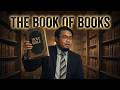
Bibliology starts with one simple claim: God speaks. Hebrews 1 says God spoke to the fathers at many times and in many ways, and in these last days God spoke by his Son. Revelation means God graciously unveiled what could never be guessed. God was not obligated to say anything, yet God sought Adam, called Abraham, met Moses, raised up prophets, and finally said of Jesus, “Hear him.” Christ stands as the final revelation and the perfect revealer. John 1 names him the Word made flesh who “declared” the Father. The message God speaks is salvation in Christ alone.
Psalm 119 supplies the heart posture this doctrine asks for: “Oh, how I love thy law,” “Thy testimonies… are the rejoicing of my heart,” and “My heart standeth in awe of thy word.” The doctrine presses for reverence, trust, and resolved obedience. Head knowledge must become heart submission.
General revelation speaks next. Creation and conscience say, there is a God, he is powerful and good, and humanity is without excuse. Romans 1 and 2 testify that the heavens broadcast divine power and the conscience bears moral witness. But general revelation does not name the Savior. The skies cannot preach the cross. General revelation leaves people without excuse, not redeemed.
Special revelation supplies what general revelation withholds. Psalm 19 rejoices that “the law of the Lord is perfect,” and John 1 shows that perfection focused in the incarnate Word. Christ the incarnate Word and Scripture the written Word belong together. Christ is known truly only as the Christ of Scripture. That protects the church from false Christs and vague impressions. If someone wants to hear God audibly, the counsel is simple: read the Bible out loud.
Scripture’s features follow from God’s character. God’s Word is inerrant and infallible. God’s speech is inscripturated, written, and therefore stable, public, and testable. The canon stands closed. No new revelations, no add-ons, no tear-outs. God has also preserved his Word providentially. The transmission of the text into many copies and languages displays remarkable integrity. Translation then serves the Great Commission, because the Bible carries the only saving knowledge of Jesus Christ. The blood-earnest labors of Wycliffe and Tyndale preach a final question: does the church stand in awe of God’s Word enough to hear it, love it, and obey it.
Key Takeaways
- 1. God speaks finally in the Son Christ embodies and completes God’s self-disclosure. The cross and resurrection are not an addendum but the center of what God has said. To listen to Scripture is to “hear him,” since the Son is the Father’s climactic speech. All roads of revelation reach their end in Jesus. [21:27]
- 2. General revelation is not salvation Creation and conscience make God’s power and moral claim plain, yet they never name the Mediator. The world’s beauty and the tug of conscience expose guilt but do not offer atonement. That shortfall is purposeful, steering sinners to the written gospel where Christ is preached. [29:08]
- 3. No private audible words today The rare Old Testament modes do not define ordinary Christian life. Scripture is sufficient, public, and complete, so claims of fresh dictation confuse consciences and bypass the Bible. If someone wants God’s voice in their ears, Scripture read aloud will do just fine. [16:21]
- 4. Scripture is closed, inerrant, and sure God’s truthful character secures a truthful Book, and the canon’s closure guards the church from additions that dilute the gospel. Inscripturation anchors God’s speech so that faith rests on what is written, not on shifting impressions. Nothing needs to be added, and nothing may be taken away. [46:16]
- 5. Translation serves Christ’s mission Because salvation comes through the Word, Bible translation is not a luxury but a lifeline. Bringing Scripture into the heart language dignifies hearers and delivers the only name by which people must be saved. Love for Christ naturally becomes love for giving his Word to every tongue. [52:04]
Youtube Chapters
- [00:00] - Welcome
- [00:34] - Magnificent Bible facts
- [04:07] - From trivia to reverence
- [05:37] - Psalm 119 heart posture
- [07:31] - Roadmap for bibliology
- [09:33] - God speaks defined
- [12:45] - Hebrews 1 God has spoken
- [14:34] - Modes of revelation surveyed
- [16:21] - No private audible words
- [20:37] - Final word in the Son
- [28:56] - General revelation and its limits
- [37:29] - Special revelation in Christ and Scripture
- [44:32] - Inerrancy, canon, and closure
- [47:36] - Preservation and translation mission
- [57:38] - Awe before the Word and prayer