Service stands as the essential posture God requires from believers, and blessings flow to those who serve Him. Serving means offering life, gifts, time, resources, abilities, and obedience to God's purposes rather than merely occupying positions or collecting titles. True service issues from a surrendered heart—presenting body, hands, mouth, feet, resources, talents, family, career, and future to God's use as an act of worship and duty. Loving God precedes this service; devotion changes service from burden to privilege and reorients motives from obligation to affection.
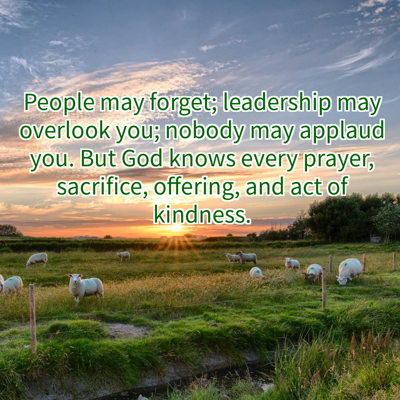
Jesus models service supremely: the Son of God came not to be served but to serve, washing feet and giving life as ransom. That example reframes greatness as humble, active care rather than status or applause. Service therefore measures faithfulness, not visibility. Many seek platforms; few embrace responsibility. God honors faithfulness in hidden places and remembers work done out of love even when human recognition never comes.
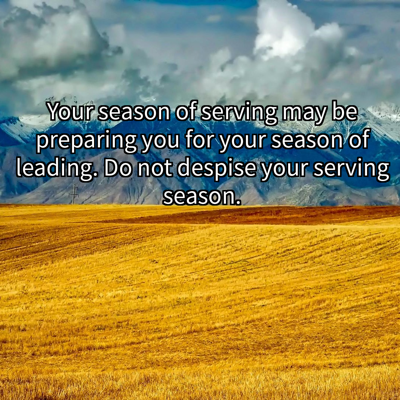
Scripture connects service with tangible blessing and well-being: serving the Lord invites God’s blessing on daily needs and promises of health and longevity. Service also trains and prepares. Joshua learned leadership through serving Moses; faithful service shaped Joshua for future command. David cultivated responsibility, courage, worship, and perseverance as a shepherd before royal anointing; private faithfulness preceded public promotion. Joseph’s integrity while serving a household, then a prison, opened doors to stewardship and ultimately national leadership in Egypt. Each life illustrates that faithful service builds trust, responsibility, character, and opportunity.
Practical imperatives emerge: serve from the heart rather than for titles; love God first so that service flows naturally; perform duties faithfully when no one watches because God sees and remembers; view present seasons of service as preparation for future assignments. Service participated in daily tasks, small acts of kindness, and long seasons of unseen labor carries eternal weight and often precedes God’s visible advancement. Serving not only fulfills divine intent but also shapes the servant into a vessel capable of greater responsibility and blessing.
Key Takeaways
- 1. Service precedes blessings and health Serving cultivates a relational posture that invites God’s blessing on ordinary needs and wellbeing. Blessing here ties to covenant faithfulness: as devotion translates into action, God’s care becomes evident in provision and protection. Expect spiritual health to follow consistent obedience rather than quick formulas. Long-term faithfulness produces the stability that blessing requires.
- 2. Love fuels authentic service Love redefines motives and sustains perseverance when service grows difficult. Serving from affection for God transforms tasks into worship and guards against pride and resentment. When love directs action, service becomes sacrificial, creative, and life-giving rather than performative.
- 3. Faithfulness in hidden places matters Unseen labor forms character and establishes trust that precedes promotion. Quiet consistency—small duties, repeated sacrifices, faithful presence—builds reliability that God and others can depend on. Honor in private cultivates integrity that surfaces at decisive moments.
- 4. Service prepares leadership and influence Serving trains skills, refines character, and opens doors through proven responsibility. Roles of stewardship often begin with humble tasks that demonstrate capacity for greater trust. Embracing current service becomes the truest pathway to future authority and fruitfulness.