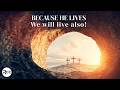
The resurrection pulses as both historical event and present power: Jesus rose, and that rising births a present, victorious life for every repentant believer. The gospel narrative begins with Mary Magdalene and the other Mary discovering the empty tomb—an angelic act that signals not only Jesus’ victory over death but an invitation for personal encounter. That encounter reverses the exchange of darkness for light, shame for forgiveness, and spiritual death for spiritual life. John 14’s promise, “Because I live, you will live also,” anchors the claim that resurrection life operates now through the Holy Spirit, producing joy, peace, and new desires that outlast mere moral effort.
Scripture establishes resurrection as essential and irreversible: Acts insists it was impossible for death to hold him, and Paul argues that Christian hope collapses without an actual rising. The resurrection therefore guarantees both present transformation and future resurrection—Christ as the firstfruits, with all who belong to him to be raised when he returns. Salvation appears not as better behavior but as a transfer of life: the believer’s old self crucified, Christ living in the believer, and daily life fuelled by relationship with the Son rather than by duty or willpower alone.
This living-resurrection produces visible evidence. Changed lives—deliverance from addiction, renewed relationships, fruit of the Spirit—serve as the primary witness that Jesus is alive. Testimony and transformed behavior accompany doctrinal truth; living in Christ removes the terror of death and reorients decisions toward eternity. The resurrection offers healing, freedom, identity, and a public testimony: because he lives, believers live now, and because he lives, they will live forever.
Key Takeaways
- 1. Resurrection brings present abundant life The resurrection does not only promise future immortality; it injects resurrected life into daily existence. That life reorders affections, supplies supernatural peace amid chaos, and empowers sustained moral change by rooting choices in relationship with Christ rather than in self-effort. It reframes salvation as participation in Christ’s life, not merely adherence to rules. [09:49]
- 2. Christ’s life becomes believers’ life Union with Christ means the Son’s life now dwells within the believer, shaping motives and actions from the inside out. This is not living for God as an external duty but living from God as the inner source of faith, endurance, and fruit. Authentic Christian obedience flows from being indwelt, not from performing. [17:22]
- 3. Resurrection removes fear of death Because death could not hold the risen Lord, death loses its finality for those united to him; eternity becomes a confident hope rather than an anxious unknown. This shifts present courage, priorities, and the horizon of meaning—decisions gain eternal weight instead of temporary gratification. [30:39]
- 4. Transformation proves the resurrection Changed lives function as the gospel’s practical proof: deliverance from addiction, forgiveness, and ongoing fruit testify that the risen Christ reigns. These visible conversions validate doctrinal claims and invite others to the same life. Faith claims become credible when lived out. [33:21]
- 5. Live from Christ, not for Christ There is a decisive difference between serving out of duty and living from a vital union with Christ; the latter produces joy and perseverance. When Christ supplies the inner life, obedience springs from love and identity rather than from legal obligation, sustaining growth amid weakness. This reorientation repairs repeated failure and fosters genuine spiritual maturity. [18:49]
Youtube Chapters
- [00:00] - Welcome
- [00:19] - Easter Resurrection Proclamation
- [02:21] - Mary Magdalene at the Tomb
- [06:13] - Exchange: Darkness to Light
- [09:49] - “Because I Live, You Live Also”
- [11:30] - Death Could Not Hold Him
- [17:22] - Christ’s Life Becomes Our Life
- [18:49] - Living From Christ vs For Christ
- [30:39] - Resurrection Removes Fear of Death
- [33:21] - Testimonies: Evidence of Change
- [46:27] - Invitation and Closing Testimonies