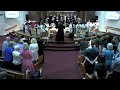
Easter morning erupts in both celebration and sober reflection, anchored in the central claim that Christ is risen. Bright music, brass, choir, and visual flourish aim to embody the joy of resurrection, yet the first Easter began in a quiet, dark garden before dawn—women standing before a sealed tomb. That contrast frames a theology that insists resurrection does not ignore grief or the weight of death but meets those realities and transforms them. Stones—literal and metaphorical—close off graves, relationships, hopes, and futures; they voice the lie that things are final and unchangeable. The resurrection overturns that finality: earth shakes, the stone rolls, and life bursts through the place of apparent defeat.
This victory shows itself not only in a single cosmic event but in countless small breakings of darkness. Light enters places that felt permanently closed: unexpected acts of care, a child's prayer for a stranger, the church’s habit of showing up with practical love. Those acts make visible how resurrection functions as a daily power that rolls stones and lets light in. The risen life calls people not merely to admire the miracle but to participate—becoming agents who help roll stones away for others by praying, offering presence, and choosing hope over habit.
Practical invitations follow from this conviction. Faith expresses itself in communal commitments—baptism, joining a faith community, and continuing formation—and in everyday choices that refuse to hoard the very rocks that once offered false comfort. Stories of children collecting stones and then choosing kindness illustrate the paradox: human instincts cling to weight, yet resurrection frees hands to give. The closing liturgy and the hallelujah chorus gather these threads into benediction: because Christ lives, light breaks in, death no longer holds final sway, and hope becomes an active, communal stance toward tomorrow.
Key Takeaways
- 1. Resurrection rolls away stones Resurrection confronts every finality that pretends to be ultimate—death, grief, broken relationships—and undoes the narrative that no change can come. That rolling is not only past history but an ongoing reality that reorders everyday life, revealing that apparent endings are doorways to new beginnings. This truth demands trust and action: to stand at the edge of a tomb and keep vigil, expecting life rather than settling into despair. [47:54]
- 2. Light breaks into every tomb Light does not merely illuminate; it reconfigures the space inside a tomb—changing how grief, fear, and loss are felt and navigated. When light enters, the meanings people assign to suffering shift, opening room for consolation, memory, and new purpose alongside pain. Those moments of light can be small and ordinary but they reorient existence toward resurrection-shaped hope. [48:17]
- 3. Believers called to roll stones The resurrection enlists followers as active partners who move heaviness for others by practical acts of compassion, prayer, and presence. Being a “stone-roller” requires courage to interrupt resignation and to make space for light—often through simple, sacrificial care that refuses anonymity. This vocation forms a community that embodies the undoing of despair rather than merely theorizing about it. [50:27]
- 4. Hope meets the daily struggle Resurrection inserts hope into ordinary rhythms so that tomorrow carries promise even amid hardship; it converts long-term pessimism into a posture of expectancy. Hope here is deliberate and formed—cultivated by repeated choices to trust resurrection rather than cling to old stones. That hope shapes decisions, relationships, and the willingness to step into the unknown with others. [51:12]
Youtube Chapters
- [00:00] - Welcome
- [11:53] - God meets daily life
- [12:46] - Easter celebration and worship guide
- [39:44] - Easter camp and community life
- [41:18] - Bombastic worship explained
- [42:35] - First Easter: garden and tomb
- [44:34] - The reality of tombs and stones
- [47:54] - Stones roll; resurrection effect
- [49:33] - Prayer, small acts of light
- [1:02:04] - Kids, rocks, and letting go