Authority forms the thread running through human life, shaping peace, conflict, and purpose. Everyday examples show how people bristle at being told what to do, yet attempts to live without any authority lead to confusion, rebellion, and harm. Stories—two battleships misreading a steady light until realizing it was a lighthouse, a server who refuses a governor’s special request, and a rule-broken parking incident—illustrate that authority matters, that boundaries exist, and that those boundaries demand humility and responsibility. Authority often becomes corrupt when people in power overstep, exploiting status for selfish gain; history and church scandals testify to the damage when limits are ignored.
Every person holds authority in some sphere, and wisdom lies in recognizing those limits. Some authorities are optional, but every choice about whom to trust affects one’s peace: decisions about diets, medical care, work, or counseling require choosing a source of authority. Respecting legitimate chains of command at work or in relationships frees people from unnecessary conflict and provides stability.
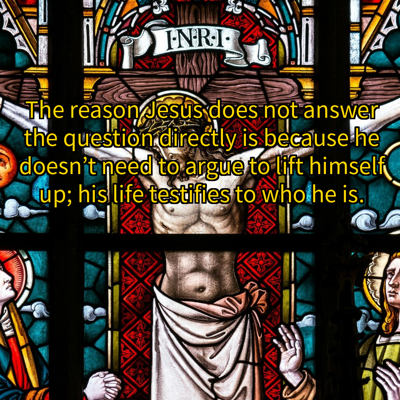
The gospel account in Luke 20:1–8 places authority at the center of the confrontation between Jesus and the religious leaders. The religious leaders, threatened by Jesus’ cleansing of the temple and the people’s response, demand to know by what authority Jesus acts. Jesus answers by posing a question about John the Baptist’s authority, exposing the leaders’ duplicity and forcing them to confront their own inconsistent loyalties. The narrative shows that Jesus does not need to argue for himself; his life, teaching, miracles, and self-giving bear witness to his identity and claim.
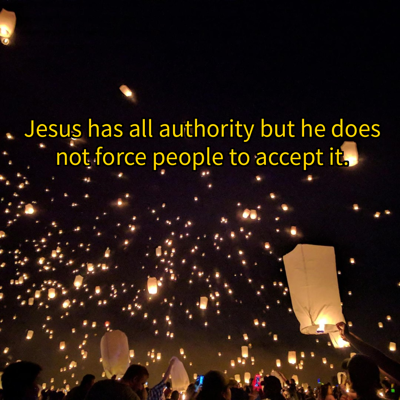
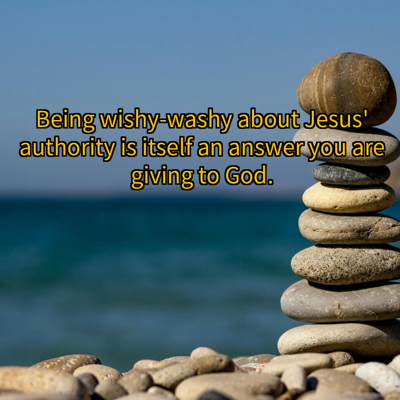
Scripture insists that Christ’s authority is ultimate and unlimited, as passages in Hebrews and Colossians reinforce. Yet that authority does not coerce; it invites a response. Each person must decide how much authority to yield to Christ, and indecision itself constitutes an answer. Choosing to place Christ at the center brings the call to relinquish personal desires and submit to divine rule, while refusal leaves people to navigate life by their own, often faltering, wisdom. The gospel challenges every heart to answer clearly whether Christ will hold ultimate sway.
Key Takeaways
- 1. Authority shapes human flourishing Recognizing and submitting to proper authority creates stability and peace in life. When people yield to trustworthy direction—whether at work, in family, or in spiritual matters—they avoid needless conflict and fragmentation. Mistaking authority for domination or refusing all authority produces chaos rather than freedom. Discernment about legitimate authority preserves dignity and fosters communal flourishing.
- 2. Christ’s authority is ultimate The life, teaching, miracles, and sacrificial death of Christ testify to unmatched authority over creation and conscience. That authority carries moral and redemptive weight: it defines truth, justice, and hope in ways human authority cannot. Acceptance of this claim reorders priorities and reshapes loyalties, not by coercion but by trust. Reflection on Hebrews and Colossians deepens appreciation for that comprehensive lordship.
- 3. Every heart must answer Indecision about Christ’s claim functions as a choice with real consequences. Being ambivalent leaves a person subject to competing authorities, cultural inconsistencies, and spiritual drift. A deliberate answer—either submission or rejection—clarifies direction and responsibility. Daily life then becomes a testing ground for that decision, revealing its spiritual fruit.
- 4. Leaders must know their limits Authority without humility invites abuse and damages those entrusted to care. Responsible leadership recognizes boundaries, models accountability, and refuses special exceptions that erode trust. When leaders exercise power justly, they cultivate discipleship and integrity; when they overreach, they fracture communities. Wise leaders steward authority as a trust, not a license.