
Applying God's Teachings: The Power of Communion
Aug 11, 2024
Devotional
Sermon Summary
Bible Study Guide
Sermon Clips
### Quotes for Outreach
1. "Everywhere you go, you should be loving people just as Christ loves people. You should be loving each other. You should be representing him in how you live and how you act and how you talk and whatever you do, you should do it to the best of your ability is under the Lord and everything you do right." [45:03] (13 seconds) (Download raw clip | Download cropped clip)
2. "If you are blessed enough to have a significant other in your life, listen, you can have hugs or you can have hugs and kisses. Come on. Some of y'all may have forgot what it's like to get that first kiss. Because I hope no one will disagree with me that hugs and kisses are better than hugs. Yeah. The and's important. It's a good thing. Ands can be a big deal." [01:01:00] (29 seconds) (Download raw clip | Download cropped clip)
3. "Spiritual possession means nothing. It's spiritual application that matters. Turn over to Matthew chapter seven. Jesus' teaching here says this. Anyone, and this is starting in verse 24, anyone who listens to my teaching and follows it is wise. Like a person who builds a house, a house is a house. He builds a house on a solid rock." [01:04:44] (20 seconds) (Download raw clip | Download cropped clip)
4. "When it feels like you're being attacked you need to remember that the Bible says that no weapon formed against me shall prosper and all those who rise up against me will be condemned that the Bible says greater is he who is within me than he is in this world if you feel like it's a spiritual attack take heart in the fact that that God's defeated the enemy and stand on that." [01:13:26] (19 seconds) (Download raw clip | Download cropped clip)
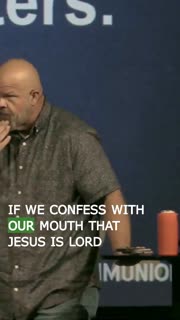
5. "If you confess with your mouth that Jesus is Lord and believe in your heart that God's raised him from the dead we will be saved amen that's the truth of salvation but that won't help you unless you accept it you apply it unless you indeed do confess that Jesus is Lord and believe in your heart that God's raised him from the dead and yes that will cause some changes in your life." [01:09:34] (30 seconds) (Download raw clip | Download cropped clip)
### Quotes for Members
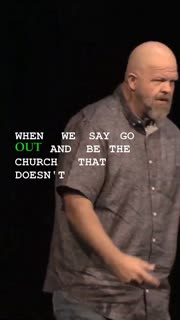
1. "When we say go out and be the church that doesn't mean you have to do something super spiritual okay it doesn't mean you need to go lead a bible study at walmart in the sports sporting goods department i mean go ahead if god tells you to do that do it but what it means is everywhere you go you should be loving people just as christ loves people you should be loving each other." [45:03] (20 seconds) (Download raw clip | Download cropped clip)
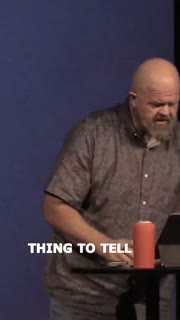
2. "The important thing to tell you is that if you're a Christian and you're a Christian and you're a and to study of the lord's supper is this a every believer should partake it's a way that we can reverence and remember what he's done for us and there's so many applications be there are abundant blessings and reasons why we should partake." [48:47] (18 seconds) (Download raw clip | Download cropped clip)
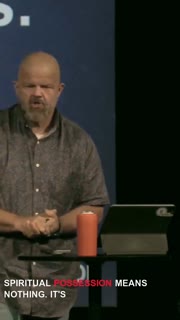
3. "Spiritual possession means nothing. It's spiritual application that matters. Turn over to Matthew chapter seven. Jesus' teaching here says this. Anyone, and this is starting in verse 24, anyone who listens to my teaching and follows it is wise. Like a person who builds a house, a house is a house. He builds a house on a solid rock." [01:04:44] (20 seconds) (Download raw clip | Download cropped clip)
4. "Spiritual application gives glory to God this is my favorite one because when we apply his teaching to our lives and when we do indeed overcome and we do indeed come out the other side of the trial victorious God is glorified he is glorified because we trusted him it quite honestly doesn't matter how much you have learned it doesn't matter how much you know what matters is how much you have applied." [01:14:44] (31 seconds) (Download raw clip | Download cropped clip)
5. "If you confess with your mouth that Jesus is Lord and believe in your heart that God's raised him from the dead we will be saved amen that's the truth of salvation but that won't help you unless you accept it you apply it unless you indeed do confess that Jesus is Lord and believe in your heart that God's raised him from the dead and yes that will cause some changes in your life." [01:09:34] (30 seconds) (Download raw clip | Download cropped clip)

Ask a question about this sermon
1. "Everywhere you go, you should be loving people just as Christ loves people. You should be loving each other. You should be representing him in how you live and how you act and how you talk and whatever you do, you should do it to the best of your ability is under the Lord and everything you do right." [45:03] (13 seconds) (Download raw clip | Download cropped clip)
2. "If you are blessed enough to have a significant other in your life, listen, you can have hugs or you can have hugs and kisses. Come on. Some of y'all may have forgot what it's like to get that first kiss. Because I hope no one will disagree with me that hugs and kisses are better than hugs. Yeah. The and's important. It's a good thing. Ands can be a big deal." [01:01:00] (29 seconds) (Download raw clip | Download cropped clip)
3. "Spiritual possession means nothing. It's spiritual application that matters. Turn over to Matthew chapter seven. Jesus' teaching here says this. Anyone, and this is starting in verse 24, anyone who listens to my teaching and follows it is wise. Like a person who builds a house, a house is a house. He builds a house on a solid rock." [01:04:44] (20 seconds) (Download raw clip | Download cropped clip)
4. "When it feels like you're being attacked you need to remember that the Bible says that no weapon formed against me shall prosper and all those who rise up against me will be condemned that the Bible says greater is he who is within me than he is in this world if you feel like it's a spiritual attack take heart in the fact that that God's defeated the enemy and stand on that." [01:13:26] (19 seconds) (Download raw clip | Download cropped clip)
5. "If you confess with your mouth that Jesus is Lord and believe in your heart that God's raised him from the dead we will be saved amen that's the truth of salvation but that won't help you unless you accept it you apply it unless you indeed do confess that Jesus is Lord and believe in your heart that God's raised him from the dead and yes that will cause some changes in your life." [01:09:34] (30 seconds) (Download raw clip | Download cropped clip)
### Quotes for Members
1. "When we say go out and be the church that doesn't mean you have to do something super spiritual okay it doesn't mean you need to go lead a bible study at walmart in the sports sporting goods department i mean go ahead if god tells you to do that do it but what it means is everywhere you go you should be loving people just as christ loves people you should be loving each other." [45:03] (20 seconds) (Download raw clip | Download cropped clip)
2. "The important thing to tell you is that if you're a Christian and you're a Christian and you're a and to study of the lord's supper is this a every believer should partake it's a way that we can reverence and remember what he's done for us and there's so many applications be there are abundant blessings and reasons why we should partake." [48:47] (18 seconds) (Download raw clip | Download cropped clip)
3. "Spiritual possession means nothing. It's spiritual application that matters. Turn over to Matthew chapter seven. Jesus' teaching here says this. Anyone, and this is starting in verse 24, anyone who listens to my teaching and follows it is wise. Like a person who builds a house, a house is a house. He builds a house on a solid rock." [01:04:44] (20 seconds) (Download raw clip | Download cropped clip)
4. "Spiritual application gives glory to God this is my favorite one because when we apply his teaching to our lives and when we do indeed overcome and we do indeed come out the other side of the trial victorious God is glorified he is glorified because we trusted him it quite honestly doesn't matter how much you have learned it doesn't matter how much you know what matters is how much you have applied." [01:14:44] (31 seconds) (Download raw clip | Download cropped clip)
5. "If you confess with your mouth that Jesus is Lord and believe in your heart that God's raised him from the dead we will be saved amen that's the truth of salvation but that won't help you unless you accept it you apply it unless you indeed do confess that Jesus is Lord and believe in your heart that God's raised him from the dead and yes that will cause some changes in your life." [01:09:34] (30 seconds) (Download raw clip | Download cropped clip)
Harvest Fellowship Artesia
This sermon · AI assistant


-
I'm an AI bot trained specifically on the sermon from Aug 11, 2024. Do you have any questions about it?