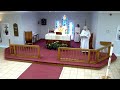
Easter morning opens with a mix of tiredness and gladness, invitations to community events, and practical notes about upcoming gatherings. Worship moves quickly into prayer and scripture, centering on the paschal mystery and thanksgiving for the new covenant of reconciliation. The readings and prayers point repeatedly to resurrection as the hinge of faith: the risen Christ reshapes hope, presence, and community life. The gospel scene with Thomas serves as the hinge for reflection. Thomas’s insistence on seeing and touching the risen Lord exposes a deep human desire for tangible assurance; the text makes room for that yearning and shows how Jesus meets it without denying the gift of faith.
The reflection then shifts to the concrete reality of the church as living proof of resurrection. The community’s strange, remarkable mix of ages, backgrounds, and beliefs becomes evidence that something beyond mere memory holds people together. The resurrection explains not only the early disciples’ courage in the face of persecution but also why churches continue to form, endure, and transmit faith across generations. The risen Christ appears not only in past events but also in present encounters: through the Holy Spirit, in gathered worship, and most palpably in the body of believers touching and blessing one another. The repeated greeting “Peace be with you” takes on new weight in light of resurrection; what once functioned as a common salutation becomes a divine gift, an offered and actual peace rooted in Christ’s victory over death.
Prayers for life, healing, and renewal accompany the eucharistic preparation; the table calls the gathered not merely to solace but to strength and service. Communion intends to remake the community into one body and one spirit, equipping people to serve the world. The liturgy urges eyes to open to God’s work around and within, and it sends worshippers forth with healing prayers and invitations to bring others into the life of the community. The persistent thread throughout worship stresses presence: the risen life infuses ordinary gestures—handshakes, embraces, shared bread—with sacred meaning. Those gestures reveal and enact the living reality of Christ among the gathered, compelling a renewed devotion to touch, witness, and peace.
Key Takeaways
- 1. Longing to touch the risen Christ Thomas’s plea for tangible proof names a universal hunger for contact with the living Lord. That hunger does not betray weak faith; it reveals a desire for embodied assurance that the resurrection truly altered history and life. The narrative shows Christ meeting yearning honestly—offering wounded hands and an invitation to believe while blessing faith that rests beyond sight. This dynamic encourages Christians to value honest seeking alongside trust. [22:02]
- 2. The church as living body The gathered community functions as more than an organization: it stands as the incarnational presence of the risen Christ. When believers embrace, greet, and serve one another, those ordinary acts incarnate the risen life and make the invisible visible. The church’s diversity and persistence testify to a reality that mere memory could not produce. That conviction reframes fellowship as sacramental encounter, not just social belonging. [25:35]
- 3. Resurrection sustains the church's existence Paul’s stark claim—if Christ is not raised, faith is pointless—forces a hard lens on Christian witness. The disciples’ courage in persecution, the rapid spread of the church, and the endurance of faith communities point to an event that converted despair into mission. Resurrection provides both logical ground and practical impetus for continuing witness in hardship. Holding this truth shapes how the community interprets sacrifice and service. [27:12]
- 4. Peace becomes a divine gift The triple greeting “Peace be with you” transforms a routine salutation into a bestowed reality because of the resurrection. Peace here functions less as polite wish and more as sacramental transfer: Christ grants a reconciling presence despite fear and division. Passing the peace therefore becomes a liturgical act that makes the risen peace tangible among the gathered. Practicing that exchange trains the community to receive and extend divine reconciliation. [29:54]
- 5. Communion invites strength and renewal The eucharist aims to renew and equip, not merely to console. Approaching the table calls for openness to pardon and also to transformation—becoming one body and one spirit in Christ. The bread and cup intend to bind disparate lives into service and to release people back into the world with holy purpose. Receiving communion thus functions as both solace and commissioning for active love. [49:47]
Youtube Chapters
- [00:00] - Welcome
- [00:13] - Easter morning notes
- [02:20] - Announcements and spring event
- [03:44] - Inviting community to pavilion
- [04:49] - Commitments to feed the hungry
- [05:06] - Collect for purity and prayers
- [12:43] - Psalm and scripture readings
- [21:30] - Gospel: Thomas and belief
- [25:35] - The church as the body of Christ
- [27:12] - Resurrection's bearing on witness
- [29:54] - “Peace be with you” explained
- [41:58] - Preparation for communion
- [49:47] - Communion: renewal and mission